The Best Materials for Permanent Rodent Exclusion in San Diego
Permanent rodent exclusion in San Diego County depends on material choices that match the climate, housing stock, and the species that dominate North County corridors. Escondido homes near Escondido Creek, Lake Hodges, Daley Ranch, and the chaparral edges see strong roof rat pressure through the fall and winter. The right mesh gauge, sealant chemistry, and vent hardware make the difference between a quiet attic and weeks of scurrying. Attic Guard operates from 510 Corporate Dr # F and focuses on rodent proofing and attic restoration built for Escondido zip codes 92025, 92026, 92027, 92029, 92030, 92033, and 92046.
This article explains which materials hold up in the Escondido environment, how they perform against rodents that compress their skulls to slip through ½ inch gaps, and where each product belongs in an attic or subarea. It also addresses decontamination tools that remove pheromone trails and pathogens so rodents stop returning. The writing reflects work across Hidden Meadows, Harmony Grove, Jesmond Dene, Lomas Del Lago, Eureka Meadows, Felicita Park, and Old Escondido, with specific field notes from homes near San Diego Zoo Safari Park, California Center for the Arts, Westfield North County Mall, and the Lake Hodges corridor.
Local rodent pressure in Escondido and what it means for material choice
Roof rats dominate Escondido neighborhoods that border canyons and riparian zones. They prefer elevated routes along fence lines, trees, and utility lines. They enter through roof returns, eave gaps, and unprotected attic vents. Norway rats show up more often in ground-level crawlspaces and garages, especially in older homes with paint-chipped stem walls and unsealed utility penetrations. Mice are common in garage door gaps and service rooms, but the severe damage in attics usually traces back to roof rats.
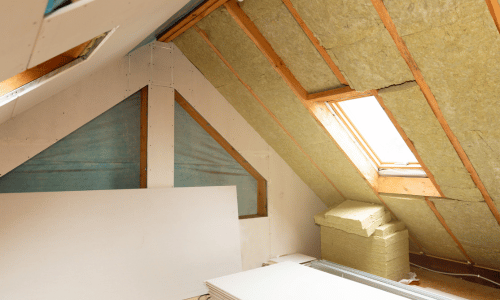
North County’s mild winters keep rodents active for most of the year. Santa Ana wind events push debris and leaf matter into soffit openings and attic vents, which hides new gaps. The diurnal temperature swing in Escondido can stress sealants and foam that are not UV resistant or elastic enough. Material selection must consider corrosion near coastal airflows from San Diego and Rancho Bernardo, heat load under Spanish tile roofs, and the need for wildlife-safe ventilation. Cheaper materials from hardware aisles at Home Depot can help for a short time, but exclusion-grade components give longer life in this climate.
Mesh that holds under real pressure
Mesh is the backbone of rodent proofing in roof lines and vents. The mesh must be stiff, bite resistant, and corrosion resistant. It must also maintain airflow at code-required vents. The common mistake is to use plastic vent covers or fine insect screen. Rats and even mice chew through plastic and light aluminum screen with ease. The correct approach uses metal mesh sized to block rodent skulls while resisting bite pressure.
Attic Guard secures all roof vent screens with 1/4 inch galvanized hardware cloth. Quarter-inch spacing blocks roof rats while preserving attic ventilation. The metal stands up to gnawing and does not clog as fast as insect screen. The company fastens mesh with pan-head screws and exterior-grade washers, then seals the seam line with a UV-stable sealant to stop capillary water intrusion and to add vibration stability in windy conditions between Daley Ranch and Lake Hodges.
In salt-exposed zones or where sprinkler overspray hits facias, stainless steel mesh is a strong upgrade. It costs more than galvanized but avoids white rust and flaking. On homes with heavy Spanish tile and stucco channels, stainless mesh gives a clean fit when paired with color-matched flashing. Rat families probe the same weak joints night after night. A single misaligned seam or a wire joint that flexes under load becomes a re-entry point.
Steel wool, copper mesh, and where each one belongs
Steel wool blocks holes fast. It also rusts, shrinks, and can stain stucco. Rodents chew through low-density steel wool within weeks. It still has value as a packing filler behind a proper sealant in dry interior chases. For exterior penetrations and foundation cracks, copper mesh performs better. It resists rust, fits tight in irregular gaps, and bonds well with polyurethane sealants. Copper mesh also reduces chemical reactions at dissimilar metal joints around galvanized hardware cloth and galvanized flashing.
In Escondido, copper mesh is ideal for utility lines that pass through stucco and for weep screed interruptions around patios in Harmony Grove. It stops mice and roof rats from widening hairline breaks into entry points. When used behind a UV-rated sealant, it stays locked through summer heat. Steel wool can still work under interior plates, behind baseboards, and in garage wall chases where humidity is low. Neither product stands alone outside. They function as backer material to reinforce a durable sealant barrier.
Sealants that do not fail in North County heat
Sealants change shape every day as attic temperatures swing. Silicone stays flexible, bonds well to metal, and holds up under UV. It does not bond as strongly to some masonry surfaces. Polyurethane bonds hard to concrete, stucco, and wood, and resists rodent probing when backed by copper mesh. On facias and roof returns, a two-part system with copper mesh as a filler and polyurethane sealant as a skin creates a tough seal that resists gnawing and heat cycling. In many attics between Eureka Meadows and Felicita Park, this mix has held firm for years.
Neither sealant should bridge a gap without a solid backer. Rodents sense soft points. They keep gnawing until they feel hard resistance. That is why copper mesh or mineral wool backers are important. Expanding foam can help as a hidden shock absorber behind a hard skin, but foam alone is weak. Rodents chew straight through one-part foam in days if it sits on the exterior. Inside wall cavities, foam has value for air sealing, but not as a primary exclusion layer.
Expanding foam, used the right way
Contractors use foam to close air leaks fast. That does not make it rodent proof. Foam can support a proper seal if it sits behind mesh and under a hard sealant. It fills voids, blocks convective air paths, and reduces odors that escape from the attic. Foam must be fire rated around penetrations. It must not block ventilation in soffits or ridge lines. In Escondido’s older Old Escondido and Jesmond Dene homes, foam misuse often closes vital air pathways and traps moisture. The correct approach is to use foam as a backer, away from sun, and always paired with mesh and a hard seal.
Flashing and weather stripping that survive daily use
Rats return to garage door corners, attic access hatches, and roof-to-wall joints. Weather stripping that feels soft to the tooth fails first. A silicone rubber door sweep with an embedded steel fin protects garage thresholds. For attic hatch covers, a rigid frame with a closed-cell gasket keeps the seal tight through temperature swings. At roof-to-wall joints and headwall steps, pre-bent flashing over mesh closes gaps that tile and stucco leave open. Fasteners must be corrosion resistant because trapped water under tile can sit for days after a Lake Hodges windstorm pushes mist under eaves.
On stucco homes, weep screeds must remain functional. Blocking them causes water damage. Exclusion around these details demands tight copper mesh placement and sealant control so water can escape while rodents cannot enter. This is where field experience matters more than product marketing. Material is a tool. The install makes it permanent.
Roof vent screens that do not choke airflow
Roof rats target dormer vents, O’Hagin vents, turtle vents, and gable vents. Many vents ship with insect screen only. Once rats enter the attic, the scurrying sounds at night often come from rafters near those vents. If that sound repeats, the home likely has urine-soaked insulation nearby, and the R-value is compromised from tunneling.
Permanent exclusion pairs manufacturer vent bodies with 1/4 inch galvanized hardware cloth secured to the framing or to the vent flange. The mesh sits outside the insect screen to absorb bite pressure. The frame is sealed with a UV-rated exterior sealant that does not off-gas into the attic. The goal is to maintain net free ventilating area while stopping rodent entry. It is a balance of airflow and security that keeps the attic dry and reduces scent trails that attract new rodents from the Escondido Creek corridor.
Foundation crack repair and utility penetrations
Norway rats exploit gaps in stem walls and foundation corner cracks. On homes near Harmony Grove and 92029 hillside lots, soil movement opens hairline fractures. A cementitious patch over backer rod or copper mesh gives a superior seal. Utility penetrations for gas, water, and HVAC lines need a rigid sleeve, copper mesh stuffing, and a polyurethane finish. Where ground moisture is high, stainless sleeves outperform galvanized. This detail reduces long-term rust and keeps the finish clean.
Decontamination materials and machines matter as much as seals
Rodents return to pheromone trails if droppings and urine residue remain. Serious rodent proofing includes decontamination after exclusion. Otherwise, the odor draws new rats along fences and trees from Daley Ranch greenbelts. A HEPA vacuum with industrial capacity removes droppings without blowing Hantavirus or Salmonella particles into the air. An industrial air scrubber runs during removal to capture fine aerosols that escape sweeping and vacuum pickup. A ULV cold fogger or a thermal fogger distributes hospital-grade disinfectant that neutralizes urine pheromone trails under insulation bays and along joists.
Attic Guard uses HEPA vacuums, industrial air scrubbers, thermal foggers, and ULV cold foggers for the sanitation stage. The team isolates the work area to prevent cross-contamination into living spaces. The method protects residents near Felicita Park where single-story ranch homes share attic cavities above bedrooms and hallways. The right machines matter because the attic is a confined space. Standard shop vacs and room deodorizers do not remove bioaerosols. Proper machines create clean air and remove scent trails that invite a rebound infestation.
Insulation materials that resist rodents and improve comfort
After removal of urine-soaked insulation, the right replacement restores thermal performance and helps with rodent resistance. TAP Insulation contains borate, which deters insects and helps reduce rodent activity when installed over a tight exclusion system. It also fills voids in older framing, which improves comfort in 92025 and 92027 homes that were built before strict energy codes. Owens Corning loose-fill fiberglass offers stable R-values and settles less under vibration from HVAC operations. Knauf loose-fill fiberglass uses a binder with low odor and good loft retention.
Insulation choice depends on use and structure. In gable attics near Westfield North County Mall, TAP Insulation brings pest control benefits with an R-value per inch that performs well in Escondido’s swing seasons. In vented flat-roof cavities, a low-dust fiberglass from Owens Corning or Knauf can simplify service access and reduce fiber drift into soffits. Rodents cannot live in insulation that lacks food and water, but they still tunnel through it. The correct approach is to combine exclusion with insulation that blocks air movement. A blower machine distributes material to manufacturer depth and prevents uneven coverage that forms cold spots. Proper depth markers confirm placement. The result is a quiet ceiling and a drop in utility bills after a cleanout.
Deep dive on 1/4 inch galvanized hardware cloth
There is a reason this mesh is the anchor of roofline exclusion across Escondido. The 1/4 inch opening stops rat skulls while keeping bees and most large insects from passing. A 23 to 19 gauge wire holds bite resistance without adding too much weight to vent flanges. The zinc coating protects the wire in humid attic air that passes through soffits from the Escondido Creek watershed. On darker stucco, technicians can prime and paint exposed hardware cloth to match facia color. Fastening it under a trim piece improves appearance and reduces tampering by birds.
Field checks show that 1/2 inch mesh leaves too much margin. Roof rats compress and push through if the wire flexes and the seam lifts. In neighborhoods like Hidden Meadows where winds are strong, a broad washer pattern on screws reduces pullout. That keeps the seam tight in gusts. It also lowers the whistle that some vents produce after a quick install. Small details improve both security and comfort.
How pheromone-blocking sanitation supports exclusion longevity
Many Escondido homeowners report scurrying sounds stop for a week after a basic seal, then start again. The gap is still closed, but a new rat scouts the same path because the urine pheromone trail is intact. Fogging with a hospital-grade sanitizer and deodorizer breaks that loop. The thermal fogger penetrates insulation and coats joists and decking. After fogging, a short dwell time allows the agent to neutralize the scent compounds. Then a HEPA vacuum pass removes residue. This process reduces the odds of a rebound visit from rodent populations moving up and down the Lake Hodges corridor.
Material choices for Spanish tile roofs and stucco homes
Spanish tile hides entry channels under the first course and along headwalls. A band of galvanized or stainless flashing over 1/4 inch mesh closes those channels. Installers must maintain drainage paths so water sheds into the gutter. For stucco, mesh and sealants must respect the weep screed. A copper mesh strip lets the weep drain while blocking rodents. Using pure silicone at the exposed joint helps the seal last under sun. Polyurethane stays inside the shadow line where UV is lower. These small placements stop failures that often show up one summer later.
Air quality in attics during remediation
Work in attics near San Diego Zoo Safari Park or Daley Ranch often reveals high dust loads after years of rodent traffic. Industrial air scrubbers run during vacuuming to capture fine particles. This protects indoor spaces below, especially when HVAC returns sit above a hallway. HEPA vacuum tools with proper seals prevent leakage that sends blowback into insulation channels. A ULV cold fogger can follow thermal fogging for a second pass with a fine mist that reaches corners behind knee walls. The goal is simple. Remove pathogens and smells that guide behavior. This biosecurity focus is the reason decontamination sits next to sealing in the exclusion plan.
Service context and why local experience matters
Attic Guard has completed full attic restorations for canyon-front properties in Hidden Meadows. These homes often show heavy roof rat pathways along jacaranda branches and tile ridges. In one case, scurrying started at 8 p.m. And stopped by 4 a.m. Thermal imaging showed heat signatures near a gable vent. The team removed the vent cap, installed 1/4 inch galvanized hardware cloth, rebuilt the cap, and sealed the frame. A HEPA vacuum removed droppings. A thermal fogger neutralized urine pheromones. The attic received TAP Insulation to a depth that restored R-value. The sounds ended that night. Power bills dropped by a measurable margin within a month.
Homes in 92029 and 92026 share a common detail. Open rafter tails with decorative gaps under the last tile course. Stainless mesh under trim, backed by copper mesh at the corners, cuts off these runs without spoiling the look. It is the sort of work that does not shout from the street. It just works year after year because the materials match the pressure and the weather.
Comparing brand-grade insulation options after exclusion
TAP Insulation brings pest resistance through borate additives. It settles into joints and delivers steady R-values in wood-frame homes near Old Escondido. Owens Corning fiberglass resists moisture and keeps loft under occasional attic foot traffic during service. Knauf fiberglass has a binder with low odor and easy distribution through a blower machine. The selection depends on home layout and occupant sensitivities. For families near schools and the California Center for the Arts, low-odor choices help during the first days after installation. For large attics with uneven joist bays, TAP gives even coverage and reduces voids that invite sound travel from roof rats.
Choosing between galvanized and stainless in Escondido
Galvanized mesh and flashing are cost effective and hold up well in inland Escondido. Near moisture lines and irrigation overspray, stainless cuts long-term maintenance. The extra cost pays off at hose bib penetrations and shaded facias that stay damp. On tile roofs, stainless fasteners paired with galvanized mesh reduce mixed-metal reaction while controlling costs. Installers should isolate direct contact points when possible. A painted barrier at contact points improves service life.
Hardware and fastener choices that do not loosen
Fasteners must hold under wind and vibration. Pan-head screws with integral washers spread load on mesh and flashing. Coated exterior screws reduce rust streaks on stucco. In high-heat soffits, stainless screws limit expansion gaps that grow under tile. Where wood is dry and brittle, pre-drilling prevents split ends. Each fastener becomes part of the exclusion system. Loose screws become chew points. Solid screws keep seams silent and closed.
How material and method reduce fire hazards
Rodents chew HVAC duct jackets and electrical wiring. Chewed wires spark and build heat next to old cellulose. After decontamination, materials must go back in a way that reduces risk. Mesh must not bridge live parts. Sealants must be fire rated where code requires. Insulation must maintain proper clearance around heat sources. A blower machine with depth markers helps installers control coverage. The system protects both comfort and safety, which matters for families near Rancho Bernardo and Poway where summer heat drives long AC run times.
Symptoms that point to material failure
Some signs show up before a homeowner sees a rodent. If scurrying sounds repeat nightly near a gable wall, suspect a loose vent screen or a cracked soffit vent. If a musty, sour odor rises from the hallway after a hot day, the attic likely has urine-soaked insulation and compromised R-value. If a light scratch shows along a garage door corner, expect a missing or worn sweep. Each symptom lines up with a material fix. Screen it, seal it, or replace it with a product that endures rodent pressure and Escondido heat.
What a complete exclusion and restoration looks like
An Escondido-grade solution starts with a free attic inspection in 92025 or any nearby zip. A licensed technician checks eave gaps, soffit vents, roof vents, foundation cracks, and utility penetrations. Measurements confirm where 1/4 inch hardware cloth fits and where stainless is worth the upgrade. Copper mesh gets packed into rough voids. Polyurethane or silicone finish closes the skin. A HEPA vacuum removes droppings. A thermal fogger or ULV cold fogger breaks pheromone trails. Insulation gets replaced with TAP, Owens Corning, or Knauf products based on the home’s layout and goals. Industrial air scrubbers run to maintain clean air during the work. The result is a quiet attic and a stable R-value that holds cooling and heating in place.
Materials that do not belong in a permanent job
Plastic vent caps, light insect screen, low-density steel wool on exteriors, and foam used as a standalone seal fail in Escondido. Tape patches and cardboard baffles invite new entry. Rodents chew, pull, and probe for weeks. They test soft points and sharp edges with teeth that never stop growing. Permanent materials hurt to chew and do not move when pushed. That simple fact drives every choice above.
Why rodent proofing needs brand-grade insulation afterward
A biosecure attic without proper insulation still wastes energy. Rat droppings and tunnels cut R-value. That means more hours of HVAC operation and a higher bill on hot September days. TAP Insulation adds pest deterrence and thermal mass. Owens Corning and Knauf loose-fill products restore even coverage in tall joist bays. The blower machine sets the depth, stops short of baffles, and keeps soffits clear. Good insulation hides no entry points. A clean thermal blanket across the attic floor reveals new gaps at a glance during future checks.
Quick material picks for common Escondido problems
- Roof vents and gables: 1/4 inch galvanized hardware cloth, pan-head screws with washers, UV-rated silicone at seams.
- Eave gaps under Spanish tile: stainless flashing over galvanized mesh, color-matched sealant for UV zones.
- Foundation cracks and utilities: copper mesh backer with polyurethane sealant, stainless sleeve at wet areas.
- Garage door corners: heavy-duty silicone sweep with embedded steel fin, weather stripping along jambs.
- Attic access hatch: rigid frame, closed-cell gasket, positive latch to hold compression.
The role of HEPA and fogging machines in health and behavior control
Rodent exclusion is half hardware and half hygiene. A HEPA vacuum removes droppings while capturing fine particles. An industrial air scrubber keeps air safe during agitation. A thermal fogger gets disinfectant into voids that brooms and vacuums miss. A ULV cold fogger follows with a fine mist that reaches rafters and knee wall pockets. This sequence reduces Hantavirus risk and interrupts urine pheromone trails. Homeowners in Jesmond Dene and Lomas Del Lago report that odor fades within days when the correct chemistry and machines run to spec. Without this step, rodents map the home by scent and return even when hardware is perfect.
Hidden Meadows case note on insulation replacement and airflow
One Hidden Meadows project showed how airflow affects long-term exclusion. The attic had gable vents with light insect screen. Rodents tunneled in old fiberglass batts. The team replaced vent screens with 1/4 inch galvanized hardware cloth and sealed frames. After sanitation, TAP Insulation was blown to the target depth. Baffles kept soffit airflow clear. A week later, thermal imaging showed even deck temperatures. That even field meant stable airflow and little chance of condensation. Rodent scouting attempts at dusk stopped after two nights with no entry scent to follow.
Why brand names matter in an Escondido bid
Quality materials and machines keep jobs from repeating. TAP Insulation, Owens Corning fiberglass, and Knauf fiberglass bring stable performance and service support. Home Depot can supply many of the core parts and fasteners, yet high-end flashing and mesh from specialty lines often outperform off-the-shelf options. Pest control giants like Orkin, Terminix, and Western Exterminator handle broad programs, but attic-specific rodent proofing and restoration require a contractor that treats vents, eaves, ducts, and insulation as a single system. Attic Guard focuses on that system in Escondido and the wider San Diego County corridor.
Two quick checks a homeowner can do before calling
- Shine a light at dusk through gable vents. If you see light gaps wider than a pencil, mesh is under spec.
- Run a finger along garage door corners. If the sweep is cracked or missing, expect rodent rub marks.
- Listen at 10 p.m. For ceiling scurries. Repeating sound near a vent suggests a weak screen or open soffit.
- Look for greasy smears along utility lines. Those marks track traffic into wall chases.
- Check insulation near the hatch. Matted or stained areas signal urine and a loss of R-value.
Safety and compliance signals that reduce risk
Attic Guard operates as a CSLB-licensed, bonded, and insured contractor in San Diego County. The team uses eco-friendly decontamination agents that meet hospital-grade sanitation standards. Work procedures isolate living areas and vent to the outside while air scrubbers run. The goal is to fix the rodent problem without spreading dust into the home. That is the core of a biosecurity plan that treats contamination as seriously as entry points.
Service radius and local readiness
Attic Guard services the city of Escondido and nearby San Marcos, Valley Center, Rancho Bernardo, Poway, Vista, and greater San Diego. Location at 510 Corporate Dr # F provides quick access to 92029, 92025, and 92026 neighborhoods, with frequent calls near Lake Hodges and Daley Ranch. The team understands Escondido Creek’s influence on rodent movement and times inspections and repairs to the local cycle of nesting and foraging. That local knowledge improves material choices on each block, from Old Escondido bungalows to hillside homes above the Westfield North County corridor.
What permanent looks like in practice
Permanent does not mean rodents vanish from the neighborhood. It means the home is sealed at predictable weak points with metals and sealants they will not chew. It means droppings and urine are gone and trails are neutralized. It means insulation has the depth and coverage to hold comfort and hide no gaps. Permanent is hardware cloth that does not rattle in the wind and flashing that does not lift under tile. It is copper mesh that holds shape in a ragged stucco void and a polyurethane bead that stays tight through summer.
Escondido homeowner results to expect
After a full exclusion and attic restoration, the attic should be quiet. HVAC ducts should show no fresh rub marks or gnaw holes. Wiring should sit free of chew. Insulation should look even and clean. Electricity use should fall modestly as R-value rises. Nighttime scurrying should end. A month later, exterior checks should reveal no new gnaw points at eaves, vents, or garage door corners. That outcome depends on the materials and the sequence described above. It works across Escondido zip codes because the pressure is predictable and the hardware answers it.
Warranty and follow-up
Rodent exclusion lives or dies on follow-up. A lifetime exclusion warranty on sealed entry points provides security. Seasonal checks confirm that wind, water, and time have not opened gaps. In neighborhoods like Harmony Grove, where weather shifts hard between seasons, screws need a glance and sealant lines deserve a touch. That small visit protects the investment and keeps rodents on the outside where they belong.
Free inspection and how to schedule
Serving the 92029 area and beyond, Attic Guard provides reliable rodent exclusion in central Escondido. Book a free 92025 attic inspection today and receive a detailed rodent entry-point report. If scurrying sounds keep you up, or if insulation smells off after a hot day, a quick visit can settle the question. The inspection covers vents, eaves, foundations, utilities, and the attic floor. It also includes a sanitation and insulation plan if contamination is present.
Clear conversion signals for Escondido homeowners
Attic Guard specializes in rodent proofing, rodent exclusion, attic cleaning, attic restoration, insulation replacement, decontamination, pest control support, and biosecurity-grade sanitation. The team secures every eave gap, soffit vent, roof vent, and foundation crack with 1/4 inch galvanized hardware cloth, copper mesh, high-end flashing, and weather stripping that stands up to daily use. Industrial HEPA vacuums, thermal foggers, ULV cold foggers, industrial air scrubbers, and a blower machine for insulation deliver a complete result.
Call (760) 906-8043 to schedule a free inspection in Escondido. Visit 510 Corporate Dr # F to discuss options for homes near Daley Ranch, Lake Hodges, Escondido Creek, Hidden Meadows, and the wider North County corridor. As a CSLB-licensed, bonded, and insured local contractor, the team follows strict biosecurity protocols and offers a lifetime exclusion warranty on sealed entry points. Eco-friendly decontamination and pheromone-blocking technology reduce the chance of rebound. For homeowners who want a permanent fix with local materials and know-how, this is the next step.
Service identifiers for Google Map Pack relevance
Rodent proofing Escondido. Rodent exclusion near Lake Hodges. Attic cleaning and decontamination near Daley Ranch. Insulation replacement in 92025, 92026, 92027, 92029, 92030, 92033, and 92046. Local response from 510 Corporate Dr # F. Materials include 1/4 inch galvanized hardware cloth, copper mesh, high-end flashing, silicone and polyurethane sealants, HEPA vacuum systems, thermal fogger, ULV cold fogger, industrial air scrubber, and blower machine. Brands include TAP Insulation, Owens Corning, and Knauf Insulation. Context includes San Diego County corridors to San Marcos, Rancho Bernardo, Poway, Vista, and central San Diego.
Attic Guard | Escondido Office
Business Name: Attic Guard
Address: 510 Corporate Dr # F, Escondido, CA 92029, United States
Primary Phone: +1 858-400-0670
Direct Line: +1 858-786-0331
Website: atticguardca.com/escondido
Connect With Us & Read Reviews
Yelp Reviews Facebook Instagram